Illuminating the Night: The Function and Design of the Street Light
Release time:2026-01-11 Click:22
A street light is a raised source of light mounted on a pole or structure, installed along roadways, sidewalks, parks, and public spaces to provide illumination after dark. Its fundamental purposes are to enhance safety for pedestrians and motorists by improving visibility, to deter crime by increasing environmental awareness, and to extend the hours of usability for public areas. Modern street lighting is a critical component of urban infrastructure, contributing to a city's functionality, safety, and aesthetic character.
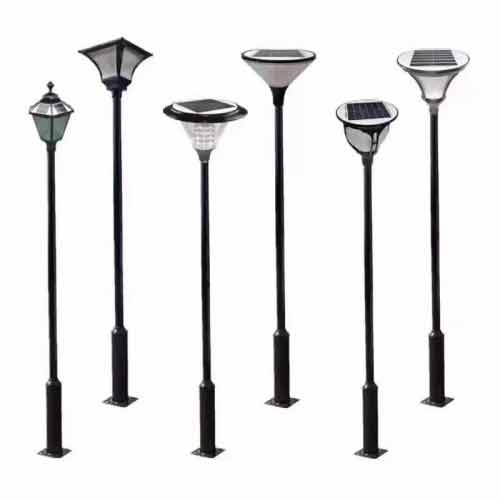
Early street lights were gas-powered, but today they are almost exclusively electric. Traditional technologies like high-pressure sodium (HPS) lamps, known for their orange glow, are being rapidly replaced by energy-efficient and long-lasting Light Emitting Diode (LED) fixtures. LEDs offer superior color rendering, directional control, and smart capabilities, allowing for dimming based on time of night or motion detection. Solar-powered street lights are also common in off-grid or sustainable development projects, with integrated photovoltaic panels and batteries.
The design and placement of street lights involve careful engineering. Factors such as pole height, spacing, luminaire type, and light distribution patterns are calculated to achieve uniform illumination, minimize light pollution (glare and skyglow), and ensure driver comfort. Smart lighting systems can now be integrated into broader city management networks. While a ubiquitous feature of the urban landscape, a well-planned street lighting system is vital for public safety, economic activity, and creating an inviting nighttime environment for communities.
Previous article:Sports Field Light Pole with Adjustable Mounting Heights
Next article:Street Light Illuminates Urban Pathways and Enhances Public Safety at Night
Hot products
Mobile: +86 15369215227
Email:metalproducts2022@163.com
Email:1626757181@qq.com