Illuminating Pathways with Quality Lamp Post
Release time:2026-03-12 Click:3
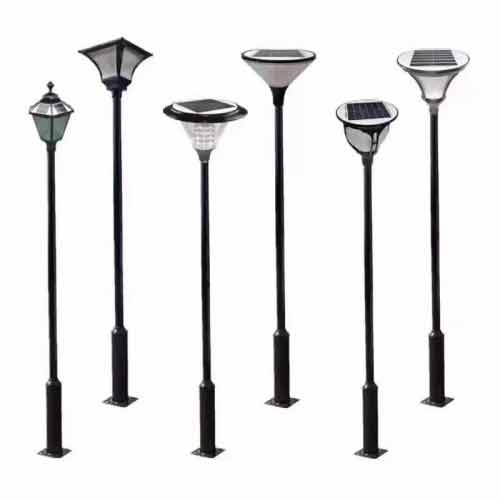
Lamp post fixtures have served as essential infrastructure for outdoor spaces for centuries, providing the illumination that enables safe nighttime navigation while contributing to the aesthetic character of streets, parks, and properties. These tall standards support luminaires at heights that distribute light broadly across pedestrian areas, roadways, and landscapes, creating the visibility that supports public safety and extends the usable hours of outdoor spaces. The variety of lamp post designs reflects the diverse requirements of different applications, from historic reproductions that complement traditional architecture to sleek contemporary designs that support modern landscape aesthetics. Without quality lamp post illumination, outdoor spaces would become hazardous after dark, discouraging the pedestrian activity and community interaction that contribute to healthy, vibrant neighborhoods. The evolution of lamp post technology has kept pace with advances in lighting efficiency, control systems, and sustainable design practices, making modern installations increasingly effective at delivering quality illumination with minimal environmental impact.
The construction of quality lamp post products involves materials and manufacturing processes selected for durability, structural integrity, and resistance to the environmental exposures that outdoor fixtures must withstand. Traditional materials include cast iron, valued for its weight, durability, and the intricate decorative details that cast iron casting enables, and aluminum, offering favorable strength-to-weight ratio and natural corrosion resistance. Modern lamp post construction increasingly utilizes steel with hot-dip galvanization or powder coating for corrosion protection, and composite materials that combine durability with design flexibility. Pole heights range from residential-scale fixtures appropriate for pathway lighting to tall standards designed for street and parking area illumination, with structural engineering ensuring adequate strength for wind loads in the installation location. Luminaire housings are designed to accommodate various lamp technologies including LED, high-pressure sodium, and metal halide, with optical systems that control light distribution for specific application requirements.
The benefits of implementing quality lamp post illumination extend to public safety, property security, and aesthetic enhancement that justify investment in appropriate outdoor lighting systems. Safe pedestrian and vehicular navigation depends on adequate illumination that reveals obstacles, hazards, and approaching traffic in outdoor environments after dark. Security benefits from the visibility that illuminated outdoor spaces provide, deterring criminal activity and supporting the surveillance that effective security systems require. Aesthetic contributions include the architectural interest that decorative lamp posts add to streetscapes and landscapes, and the nighttime curb appeal that illuminated properties provide to visitors and passersby. Energy efficiency improvements from LED lamp technology significantly reduce operating costs compared to traditional lamp technologies, with further savings available through smart control systems that adjust illumination levels based on time, occupancy, or ambient light conditions. Additionally, properly designed lamp post installations minimize light pollution that affects astronomical observation and disrupts wildlife behavior, achieving effective illumination while respecting environmental considerations.
Installation of lamp post systems requires proper site preparation, electrical connections, and structural anchoring that ensure safe, reliable operation throughout the fixture's service life. Site selection must consider the illumination objectives, pole spacing requirements, and coordination with other site elements including landscaping, utilities, and property boundaries. Electrical installation must comply with applicable codes, with proper wiring methods, ground fault protection, and connections that withstand outdoor environmental exposures. Foundation design must provide adequate support for the pole structure, with concrete footings sized for soil conditions and wind loads at the installation location. Pole anchoring methods include direct burial, flange mounting on concrete pads, and anchor base systems that enable levelling adjustments during installation. Photometric design ensures appropriate light distribution patterns that achieve illumination objectives while minimizing glare, light trespass, and the wasted uplight that contributes to light pollution.
Property owners, municipalities, and developers should give lamp post selection and installation the attention these important outdoor elements deserve in any site development project. Quality lamp post fixtures provide safety, security, and aesthetic benefits that enhance the functionality and character of outdoor spaces for decades of service. Working with lighting professionals and experienced contractors ensures appropriate fixture selection, photometric design, and installation techniques that achieve project objectives. Investment in quality lamp post systems from reputable manufacturers provides long-term value through reduced maintenance, reliable operation, and the aesthetic durability that maintains property character over time. As outdoor lighting design continues emphasizing energy efficiency, dark-sky compatibility, and smart control capabilities, lamp post technology advances to meet these evolving requirements. Implementing quality lamp post illumination creates safe, beautiful outdoor environments that support community activity, enhance property values, and contribute to the nighttime character of neighborhoods and commercial districts.
Previous article:Securing Public Infrastructure with Light Pole Anchor Bolts
Next article:Illuminating Outdoor Spaces with Elegant Garden Light Pole Designs
Hot products
Mobile: +86 15369215227
Email:metalproducts2022@163.com
Email:1626757181@qq.com