Understanding Street Light Systems for Safe Communities
Release time:2026-03-08 Click:7
Street light systems serve essential functions in urban, suburban, and rural communities, providing illumination that enhances public safety, supports nighttime transportation, and contributes to the vitality and character of built environments. These lighting infrastructure investments directly impact pedestrian safety, traffic safety, crime prevention, and community aesthetics that influence quality of life for residents and visitors alike. The evolution of street light technology from traditional high-pressure sodium and metal halide fixtures to modern LED systems has transformed municipal lighting practices, enabling dramatic improvements in energy efficiency, light quality, and operational flexibility that were impossible with legacy technologies. Municipalities, transportation agencies, and urban planners recognize quality street lighting as essential infrastructure investments that provide benefits far exceeding their initial costs.
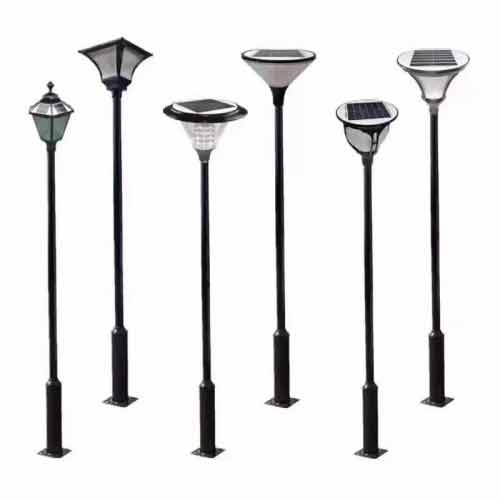
Street light fixture types and technologies address diverse application requirements related to illumination levels, energy efficiency, and aesthetic considerations that characterize different urban contexts. LED street lights have become the dominant technology for new installations and retrofits, offering energy efficiency improvements of 50-70% compared to traditional HID fixtures while providing superior color rendering that improves visibility and safety. Cobra head fixtures provide practical solutions for roadway illumination, with optical designs that direct light where needed while minimizing light pollution and skyglow. Decorative fixtures including Victorian-style, contemporary, and heritage designs serve pedestrian areas, historic districts, and civic spaces where aesthetic considerations influence fixture selection. Solar-powered street lights offer off-grid solutions for remote locations where grid connection would be impractical or cost-prohibitive, utilizing photovoltaic panels and battery storage to provide reliable nighttime illumination.
Design considerations for street light systems must address illumination requirements, traffic safety, and community priorities that ensure effective lighting while minimizing adverse impacts. Illumination levels specified by applicable standards and guidelines provide minimum requirements for different road classifications, intersection types, and pedestrian activity levels that ensure adequate visibility for safe travel. Uniformity requirements ensure consistent illumination across roadway surfaces that prevents the contrast and shadows that could create safety hazards. Cutoff fixtures that direct light downward and minimize upward light emission reduce light pollution that affects astronomy, wildlife, and human circadian rhythms while reducing energy waste from uplight. Glare control through appropriate shielding and optical design prevents disability glare that could impair driver vision and create safety hazards.
Installation, operation, and maintenance considerations for street light systems influence their effectiveness, efficiency, and lifecycle costs throughout extended service lives. Proper pole placement considering roadway geometry, sight distances, and pedestrian paths ensures illumination reaches intended areas without obstruction or unsafe conditions. Electrical infrastructure including underground conduit, connection boxes, and service panels must accommodate current requirements while providing capacity for future expansion or technology upgrades. Smart lighting controls including photocells, timers, and networked management systems enable energy savings through dimming, scheduling, and adaptive lighting that responds to actual conditions. Regular maintenance including lamp replacement, fixture cleaning, and pole inspection ensures continued performance and identifies safety hazards before they create problems. When properly designed, installed, and maintained, street light systems provide essential urban infrastructure that enhances safety, supports nighttime activities, and contributes to attractive, livable communities.
Previous article:Illuminating Outdoor Spaces with Elegance and Efficiency: light pole residential
Next article:Octagonal Light Pole: Rust-Proof Steel
Hot products
Mobile: +86 15369215227
Email:metalproducts2022@163.com
Email:1626757181@qq.com