Product details description
The design of lighting infrastructure requires a precise balance between
light pole height and spacing to achieve uniform illumination and energy
efficiency. Engineering guidelines typically utilize the "mounting height to
spacing ratio," which often suggests that the spacing between poles should not
exceed three to four times the mounting height. For example, if a light pole is
10 meters tall, the poles should ideally be spaced 30 to 40 meters apart. This
ratio ensures that the light cones from adjacent poles overlap sufficiently to
eliminate dark spots and provide consistent visibility for motorists and
pedestrians, thereby enhancing safety and security in the area.
Beyond the basic ratio, the required mounting height is determined by the
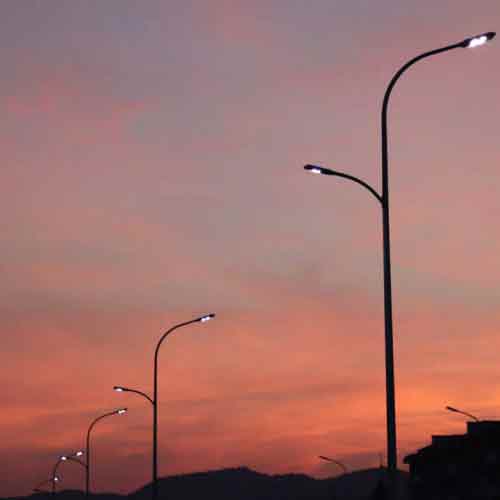
specific application and the width of the area to be illuminated. Highways and
major arterial roads generally require taller poles, often ranging from 12 to 15
meters or higher, to cast light over multiple traffic lanes without causing
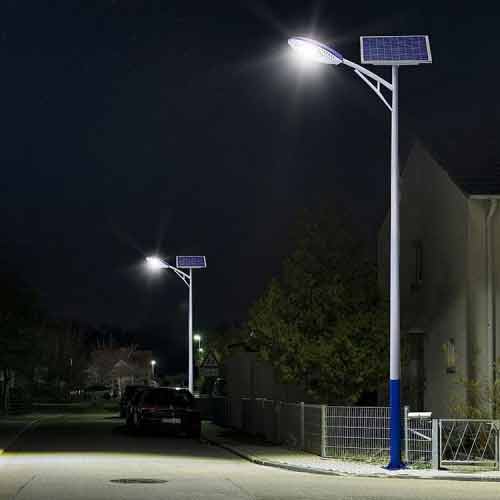
glare for drivers. Conversely, residential streets and pedestrian pathways can
effectively use shorter poles, usually between 6 to 9 meters, providing adequate
lighting for the surroundings while minimizing light trespass into homes. The
type of luminaire used and its photometric distribution also play crucial roles
in determining the optimal height and spacing, as different optics can project
light further or more precisely.
Adherence to engineering standards such as those set by the IES
(Illuminating Engineering Society) is essential for designing an effective
lighting layout. These standards provide detailed calculations for illuminance
levels, uniformity ratios, and glare control, ensuring the design meets safety
regulations. Furthermore, engineers must consider the "light loss factor," which
accounts for the depreciation of lumen output over the life of the lamp and the
accumulation of dirt on the fixture. By integrating these factors into the
planning process, civil engineers can create lighting systems that are not only
compliant and safe but also cost-effective and sustainable over their
operational lifespan.
Previous article:
The Complete Guide to Light Pole Installation
Next article:
Height Adjustable from 6m to 15m –Light Pole