Product details description
Light poles serve essential functions in urban environments—providing
illumination for safety, extending productive hours into evening periods, and
contributing to the aesthetic character of streets, plazas, and public spaces.
Yet poorly designed or inappropriately specified light poles can create visual
discord that undermines landscape architecture and urban design intentions. The
challenge of integrating functional lighting infrastructure with aesthetic
objectives requires collaboration between lighting engineers, landscape
architects, and urban designers who understand both the technical requirements
of illumination and the visual impact of pole selection and placement.
Thoughtful light pole design and specification creates lighting infrastructure
that enhances rather than diminishes the quality of urban landscapes.
The visual characteristics of light poles—including their form, proportion,
color, and material—must respond to the architectural and landscape context in
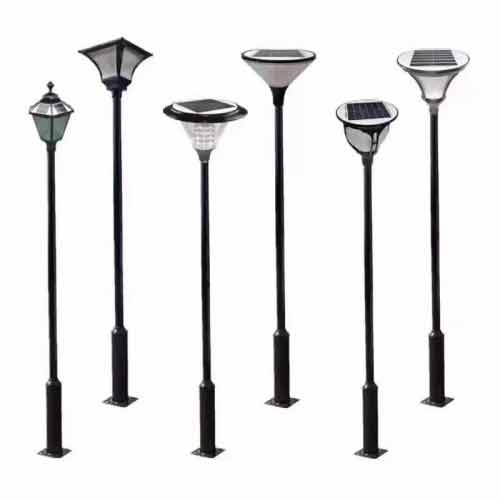
which they are installed. Historic districts may call for period-appropriate
lamp posts that echo the design vocabulary of surrounding buildings, while
contemporary urban spaces often benefit from sleek, minimalist pole designs that
avoid visual competition with surrounding architecture. The relationship between
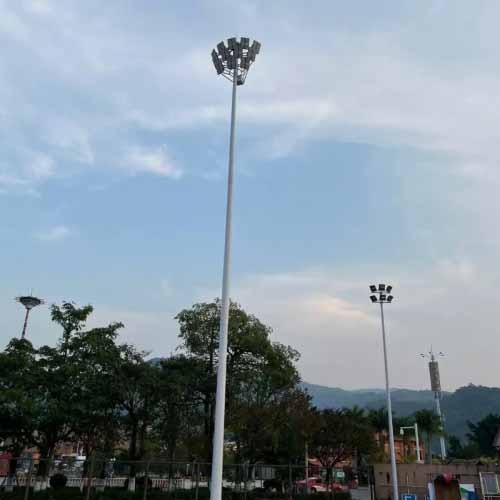
pole height and the spaces they illuminate influences both lighting
effectiveness and visual impact, with taller poles appropriate for broad streets
and plazas while lower installations suit pedestrian paths and intimate
gathering spaces. Color selection should consider both the immediate context and
broader urban palette, with neutral finishes that complement diverse
surroundings typically proving more versatile than statement colors that may
conflict with future changes in adjacent development.
The integration of technology into light poles creates opportunities and
challenges for aesthetic design as smart city infrastructure adds antennas,
sensors, cameras, and communication equipment to lighting structures. The "smart
pole" concept combines multiple functions—illumination, traffic management,
public WiFi, environmental monitoring, and emergency communication—in integrated
structures that reduce visual clutter compared to installing separate equipment
on multiple poles. The challenge lies in designing smart poles that accommodate
technological components without becoming visually heavy or cluttered, with
successful designs integrating equipment within the pole structure or within
head enclosures that maintain clean silhouettes. Cities implementing smart pole
programs must balance the benefits of integrated infrastructure against the
aesthetic impacts of increased pole complexity, developing design guidelines
that ensure smart poles enhance rather than degrade the urban landscape.
Previous article:
The Role of Coating Technologies in Preventing Corrosion on Light Poles
Next article:
Solar Light Pole Systems: Renewable Energy Solutions