The Design of Lamp Post Structures
Release time:2026-02-11 Click:9
The lamp post is a fundamental element of urban infrastructure, providing safety, security, and aesthetic character to streets, parks, and public spaces. Beyond its primary function of holding a light source, the lamp post serves as a vertical landmark that defines the scale and style of an environment. From the ornate cast-iron standards of the 19th century to the sleek, minimalist poles of modern smart cities, the evolution of the lamp post mirrors the technological and architectural progress of society. It is a piece of street furniture that must balance durability with visual appeal.
Structural integrity is the foremost requirement for a lamp post, as it must withstand environmental loads such as high winds, heavy snow, and accidental impacts. Steel and aluminum are the most common materials; steel offers superior strength for heavy-duty applications, while aluminum is preferred for its lightweight nature and resistance to corrosion. The foundation of a lamp post is critical—concrete footings must be deep enough to prevent the pole from tipping over. In coastal areas, the material must be specially treated to resist salt spray. The design of the pole itself, whether tapered or straight, influences how it responds to wind shear and vibration.
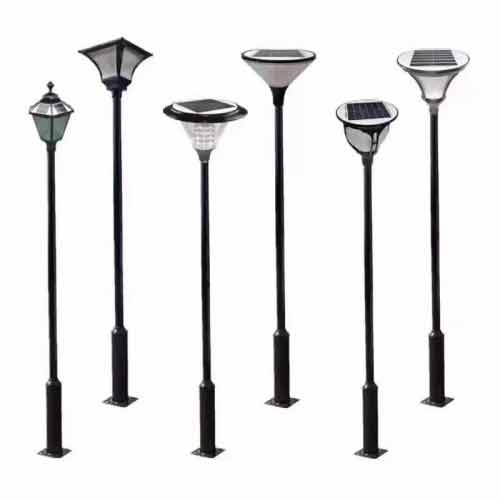
The lighting technology mounted on a lamp post has undergone a revolutionary shift with the advent of LEDs. Modern lamp post fixtures consume significantly less energy than traditional sodium-vapor lamps while providing brighter, whiter light that improves visibility and color rendering. This efficiency allows for "dark sky" compliant designs that direct light downward, reducing light pollution and glare. Some advanced lamp post designs integrate solar panels on top of the pole, making them self-sufficient and ideal for remote areas or eco-friendly developments. The pole must also house electrical conduits and sometimes control gear, requiring careful internal wiring management.
Aesthetics play a crucial role in the acceptance of a lamp post by the community. In historic districts, reproductions of period-specific lanterns are required to maintain architectural continuity. In contrast, contemporary plazas often use sculptural lamp post designs that double as art installations. The color of the pole—typically black, grey, or bronze—affects how it blends with the surroundings. Landscape architects often use the spacing and height of lamp post installations to create rhythm and guide pedestrian movement through a space. A well-designed lamp post can enhance property values and foster a sense of community safety.
Looking toward the future, the lamp post is transforming into a "smart pole" or a node in the Internet of Things (IoT). These multi-functional towers are equipped with 5G antennas, CCTV cameras, environmental sensors, and electric vehicle charging ports. They act as the backbone of a smart city's digital infrastructure. However, this added functionality brings challenges regarding weight distribution and energy supply. The lamp post of the future will not just illuminate the night; it will gather data, connect devices, and power the urban ecosystem, making it one of the most versatile pieces of public infrastructure.
Previous article:Smart Rural Road Light Pole with Dusk-to-Dawn Sensors.
Next article:Discover Elegance in Landscape Light Pole Designs
Hot products
Mobile: +86 15369215227
Email:metalproducts2022@163.com
Email:1626757181@qq.com